I. Introduction
Accounting is a critical function for MSMEs, but managing financial transactions manually can consume significant time and increase the risk of errors. As businesses grow, higher transaction volumes, GST compliance, invoicing, reconciliation, and reporting can make traditional accounting processes difficult to manage. Accounting automation for MSMEs streamline repetitive financial tasks, improve accuracy, and access timely business information. By reducing manual effort and organizing financial operations through technology, businesses can improve productivity, strengthen financial control, and focus more on growth and customer operations.
II. What Is Accounting Automation?
Accounting automation software is the use of technology to carry out routine accounting and financial processes with little to no human involvement. It can automate tasks like tracking expenses, creating invoices, documenting transactions, bank reconciliation, and financial reporting. Automated solutions, as opposed to human accounting, are more effective at handling high transaction volumes while keeping organized data. Additionally, accounting automation links various financial processes, assisting companies in minimizing data entry mistakes, eliminating repetitive tasks, and gaining access to more consistent financial data for daily operations and decision-making.
III. Why MSMEs Need Accounting Automation
MSMEs frequently manage growing transaction volumes and regulatory obligations with little funding. Manual accounting may make it challenging to keep correct and timely records and put extra strain on finance professionals. Accounting automation may improve corporate performance visibility, expedite financial procedures, and lessen administrative strain. Additionally, it helps companies handle GST-related operations, payments, receivables, and reporting more effectively, freeing up owners' and finance teams' time for more strategic business endeavors and less time for tedious duties.
IV. Features of Accounting Automation
A variety of features intended to streamline financial operations are available in modern accounting automation software. Automated transaction recording, invoice creation, bank reconciliation, expenditure monitoring, payment administration, financial reporting, GST and tax assistance, inventory connectivity, and receivables management are a few examples of these. While role-based access and data protection measures help safeguard financial information, automated reminders can assist organizations in tracking down unpaid invoices. Automation lowers the need for repetitive human data input across various financial operations and streamlines workflow by combining many accounting procedures.
V. How Accounting Automation Impacts MSME Business Operations
Accounting automation may have an impact on a number of aspects of MSME operations on a daily basis. Automated reconciliation enables finance teams to find inconsistencies more rapidly, and quicker invoicing and payment processing can enhance cash-flow management. Coordination between the management, sales, accounting, and inventory departments is further enhanced by centralized financial data. Employees may devote more time to customer service, financial analysis, and corporate planning when regular tasks are managed automatically. Additionally, business owners may better analyze performance, see opportunities, and react faster to shifting business needs with improved access to financial data.
VI. Accounting Processes MSMEs Can Automate
Best Accounting Software for MSMEs Many repetitive accounting tasks may be automated by MSMEs, depending on their software and company needs. Sales and purchase entries, invoice production, expenditure recording, bank reconciliation, GST-related tasks, inventory accounting, payment monitoring, receivables management, and financial reporting are examples of common procedures. Repeated data entry is decreased and more consistent financial records are produced by automating these procedures. As their needs and transaction volumes grow, businesses may progressively spread automation across additional accounting workflows by beginning with high-volume tasks.
VII. Accounting Automation and GST Compliance
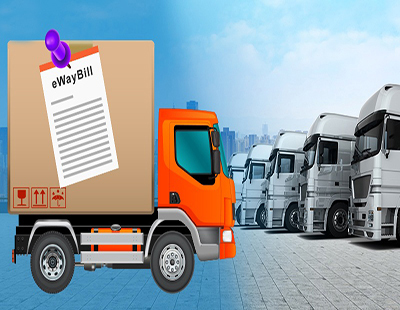
GST compliance requires businesses to maintain accurate transaction records and submit relevant information within applicable timelines. Accounting automation in TallyPrime can help organize GST-related data by supporting accurate tax calculations, transaction recording, and reporting. Workflows for e-Way Bills and e-Invoicing may also be managed by enterprises, depending on software and setup. Automated procedures can simplify the examination of compliance data and lower the possibility of human mistake. Nonetheless, companies should update their software and routinely check the relevant GST regulations.
VIII. Business Impact of Accounting Automation
Small business accounting software may have a quantifiable effect on MSME operations by increasing the speed and accuracy of financial procedures and decreasing administrative work. Companies may see their overall performance, costs, inventories, cash flow, and receivables more clearly. Organized financial records can enhance compliance preparedness, and faster reporting facilitates better informed decision-making. Additionally, automation can boost worker productivity by eliminating repeated tasks. Scalable accounting procedures can assist handle growing transaction volumes as the company expands without necessitating a corresponding rise in manual administrative work.
IX. Conclusion
Accounting automation may assist MSMEs in creating financial procedures that are more precise, efficient, and well-organized. Businesses may save time and minimize manual errors by automating repetitive procedures including invoicing, transaction recording, reconciliation, reporting, and compliance-related activities. Additionally, improved financial insight helps managers and owners make well-informed choices faster. MSMEs may increase productivity, enhance financial management, streamline daily accounting, and build a scalable basis for long-term company development with the correct accounting automation software.